Innovative Architectural Designs for Modern Living

In a world where urbanization is rapidly changing the landscape of our cities, innovative architectural designs are becoming essential for modern living. These designs not only enhance the aesthetic appeal of our surroundings but also improve functionality and sustainability. As we explore the latest trends in architecture, we will uncover how these innovative designs are reshaping our homes and communities.
The Rise of Sustainable Architecture
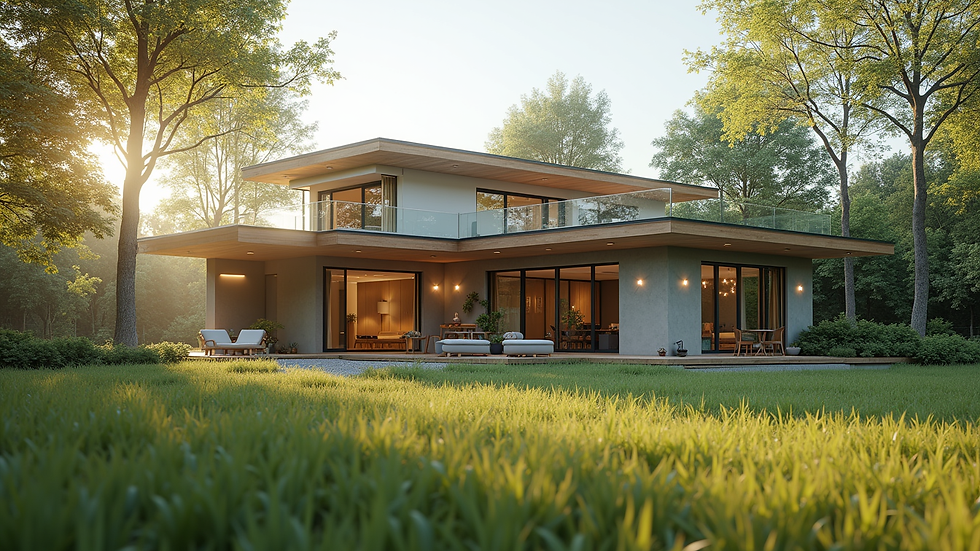
Sustainable architecture is at the forefront of modern design. With increasing awareness of environmental issues, architects are focusing on creating buildings that minimize their ecological footprint. This approach involves using sustainable materials, energy-efficient systems, and designs that harmonize with their surroundings.
Key Features of Sustainable Architecture
Energy Efficiency: Buildings are designed to use less energy through better insulation, natural lighting, and renewable energy sources like solar panels.
Sustainable Materials: Architects are opting for materials that are recycled, locally sourced, or have a low environmental impact.
Water Conservation: Innovative designs often include rainwater harvesting systems and greywater recycling to reduce water usage.
Biodiversity: Incorporating green roofs and vertical gardens not only enhances aesthetics but also supports local wildlife.
Examples of Sustainable Architecture
One notable example is the Bosco Verticale (Vertical Forest) in Milan, Italy. This residential complex features two towers adorned with over 9,000 trees and 20,000 plants, promoting biodiversity and improving air quality. Another example is the Edge in Amsterdam, which is considered one of the greenest buildings in the world, utilizing advanced technology to optimize energy use.
Minimalism in Modern Design
Minimalism has become a popular trend in architectural design, emphasizing simplicity and functionality. This approach focuses on stripping away unnecessary elements to create clean, open spaces that promote tranquility and clarity.
Characteristics of Minimalist Architecture
Open Floor Plans: Minimalist designs often feature open spaces that enhance flow and connectivity within the home.
Natural Light: Large windows and skylights are common, allowing for ample natural light and a connection to the outdoors.
Neutral Color Palettes: Minimalist interiors typically use a muted color scheme, creating a calm and serene environment.
Functional Furniture: Every piece of furniture serves a purpose, often with a sleek and simple design.
Real-World Applications of Minimalism
The Muji Hut, designed by the Japanese retailer Muji, is a perfect example of minimalist architecture. This compact, prefabricated home emphasizes simplicity and functionality, making it an ideal retreat in nature. Another example is the House in the Woods by architect David Jameson, which features a minimalist design that blends seamlessly with its forested surroundings.
Smart Homes and Technology Integration
The integration of technology into architectural design has given rise to smart homes, where automation and connectivity enhance the living experience. These homes are equipped with devices that allow homeowners to control various aspects of their environment, from lighting to security systems.
Benefits of Smart Home Technology
Convenience: Homeowners can control their environment remotely, making life easier and more efficient.
Energy Savings: Smart thermostats and lighting systems can significantly reduce energy consumption, leading to lower utility bills.
Enhanced Security: Smart security systems provide real-time monitoring and alerts, ensuring peace of mind for homeowners.
Examples of Smart Home Innovations
The Nest Learning Thermostat is a popular smart device that learns the homeowner's habits and adjusts the temperature accordingly, optimizing energy use. Another example is the Amazon Echo, which serves as a central hub for controlling various smart devices throughout the home.
Biophilic Design: Connecting with Nature
Biophilic design is an architectural approach that seeks to connect people with nature. This concept is based on the idea that incorporating natural elements into our living spaces can improve well-being and productivity.
Elements of Biophilic Design
Natural Materials: Using wood, stone, and other natural materials creates a sense of warmth and connection to the outdoors.
Indoor Plants: Incorporating greenery into interior spaces enhances air quality and promotes a calming atmosphere.
Natural Light: Maximizing natural light through large windows and open spaces fosters a connection to the outside world.
Successful Biophilic Design Examples
The Eden Project in Cornwall, England, is a prime example of biophilic design, featuring geodesic domes that house diverse plant species in a controlled environment. Another example is the One Central Park development in Sydney, which incorporates vertical gardens and green terraces to create a harmonious blend of nature and urban living.
Adaptive Reuse: Transforming Old Spaces
Adaptive reuse is an architectural trend that involves repurposing old buildings for new uses. This approach not only preserves historical structures but also reduces waste and promotes sustainability.
Advantages of Adaptive Reuse
Preservation of History: Adaptive reuse allows communities to retain their historical identity while adapting to modern needs.
Environmental Benefits: Repurposing existing structures reduces the need for new materials and minimizes construction waste.
Cost-Effectiveness: Renovating an existing building can often be more economical than constructing a new one.
Notable Adaptive Reuse Projects
The High Line in New York City is a celebrated example of adaptive reuse, transforming an abandoned elevated railway into a vibrant public park. Another example is the Tate Modern in London, which repurposed a former power station into a world-renowned art museum.
Conclusion
Innovative architectural designs are reshaping modern living by promoting sustainability, functionality, and a connection to nature. From sustainable architecture to smart homes and adaptive reuse, these trends are not only enhancing our living spaces but also addressing the challenges of urbanization and environmental sustainability. As we move forward, embracing these innovative designs will be crucial in creating a better future for our communities.
By exploring these architectural trends, homeowners and designers alike can find inspiration to create spaces that are not only beautiful but also functional and sustainable. The future of architecture is bright, and it is up to us to embrace these innovations for a better tomorrow.


Yorumlar